
COMPANY
An audience switches it on
In diary studies, laughter was 30 times more frequent in social than solitary situations. Alone, people were more likely to talk to themselves or smile.
Check a situation
WHAT THE RESEARCH SAYS
HA HA is mostly hello
AI-generated image, not a photograph of a real person or place.
Most laughter has little to do with jokes.
Researchers who listened to real conversations found that people laugh after everyday remarks far more than after punchlines, and almost never alone. Studies of apes and even rats suggest laughter is older than language.
THE SHORT ANSWER
Three lines of research point the same way:
laughter is social, habitual and very old.
COMPANY
In diary studies, laughter was 30 times more frequent in social than solitary situations. Alone, people were more likely to talk to themselves or smile.
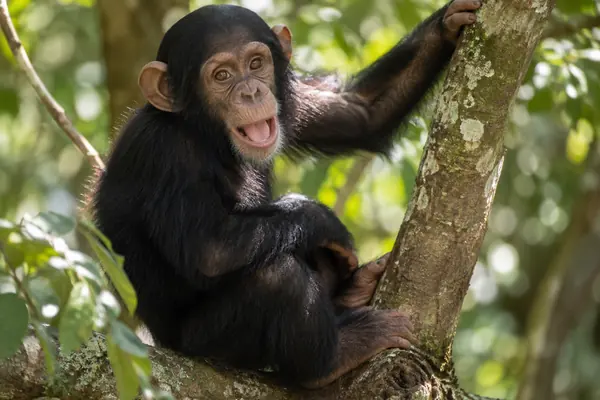
Check a situationAPES
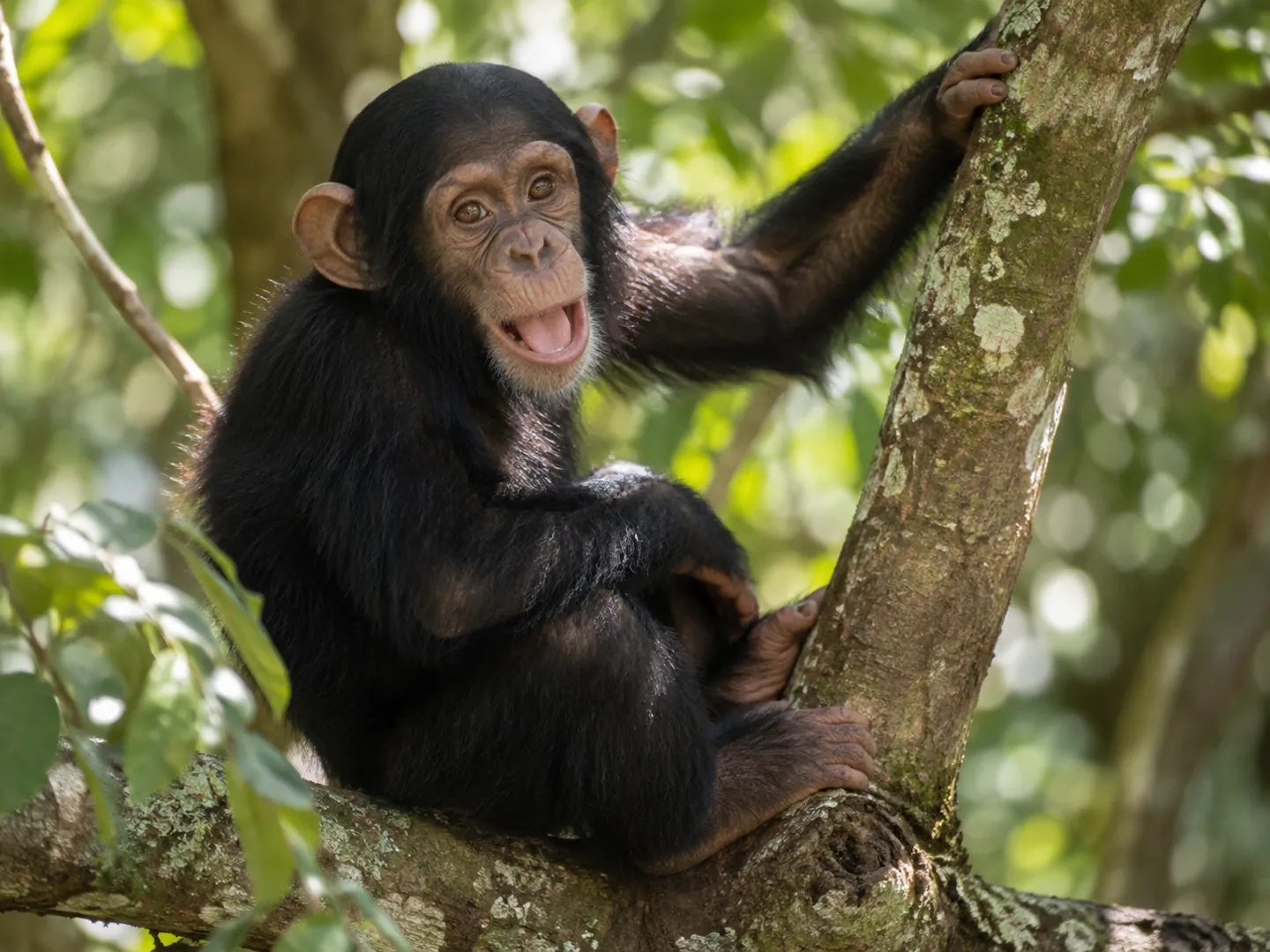
A 2009 study of tickled young orangutans, gorillas, chimpanzees and bonobos found strong evidence that tickle laughter is shared with great apes through common ancestry.
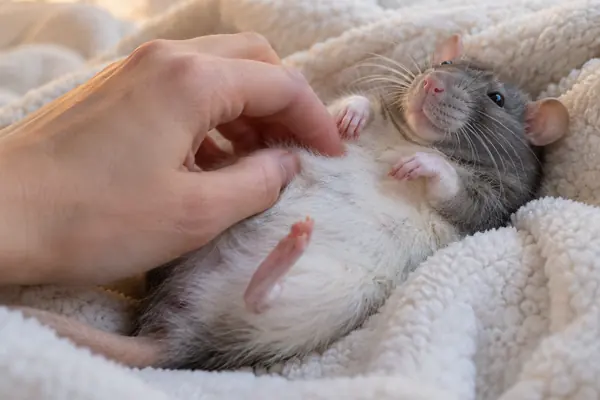
Older than wordsRATS
Rats make ultrasonic calls when tickled by humans, and a 2016 study found brain activity in their touch cortex linked to ticklishness and play.
See the numbers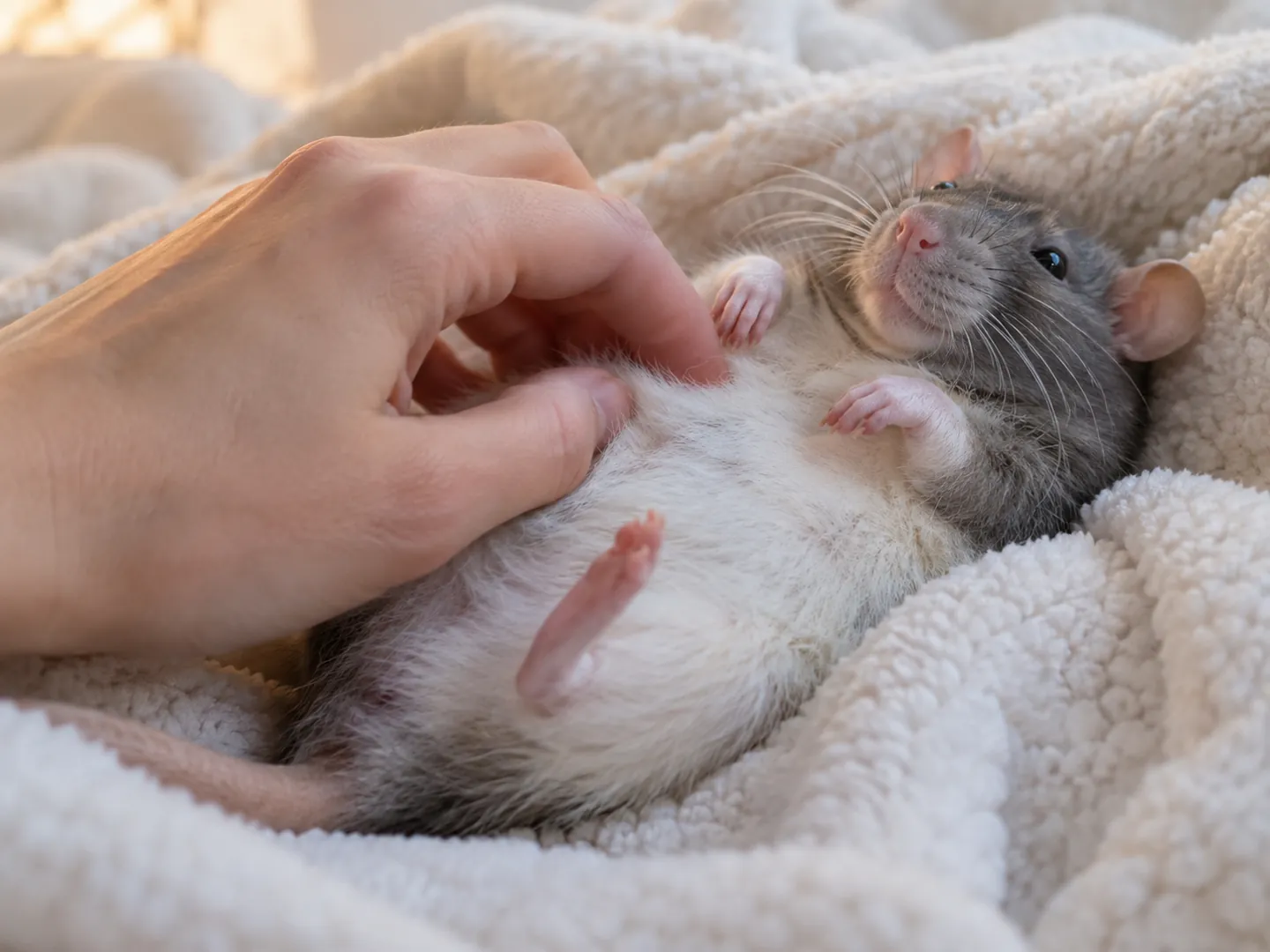
FOUR THINGS TO NOTICE
You can spot these patterns in any conversation once you know to listen for them.
Next time a group laughs, notice what came just before. Usually it is an ordinary remark, not a joke.
The person talking often laughs more than the listeners, at the end of their own sentence.
Laughs land at phrase breaks: "You are going where? Ha ha," not in the middle of the words.
Some people laugh a lot with everyone. In the 2022 study, that tendency was stable across ten different partners.
TWO NUMBERS WORTH KNOWING
One figure on when we laugh,
one on what we laugh at.
30× more
Laughter with others vs alone
Students recording their own laughter found it 30 times more frequent in social than solitary situations, after leaving out media such as TV and radio.
SOCIAL · DIARY STUDIES
10–20%
Laughs that followed anything joke-like
Of 1,200 spontaneous laughter episodes observed in everyday settings, only 10% to 20% followed anything resembling a joke.
JOKES · FIELD OBSERVATIONS
A 2022 study of 66 people in ten conversations each found that more than half the variation in how much someone laughed came from the laugher, and less than 5% from their partner.
A QUICK SITUATION CHECK
Pick a situation to see what laughter research found. The bar shows how likely laughter is, based on the studies below.
Based on observational and diary research on everyday laughter, a 2022 round-robin conversation study, and studies of tickling in apes and rats.
OLDER THAN LANGUAGE
The 2009 study compared the sounds of tickled young apes and human infants. Family trees built from the sounds matched the trees built from genetics, suggesting tickle laughter comes from shared ancestors.
In rats, tickling drew ultrasonic calls, approach and playful jumps. Neurons in the trunk area of the touch cortex fired intensely when tickled, and anxious conditions suppressed both the calls and the activity.
In conversation
No. In 1,200 observed episodes of everyday laughter, only 10% to 20% followed anything joke-like. Ordinary remarks such as "Where have you been?" were far more likely to come before a laugh.
The researcher behind the observational studies suggested the brain may have a laugh detector that triggers a laugh generator, which would explain why hearing laughter makes us laugh.
Not necessarily. In a 2022 study of conversations between strangers, laughter negatively predicted enjoyment, though partners of frequent laughers felt more similar to them.
Tickled young great apes make sounds a 2009 study found to be homologous with human laughter, and rats emit ultrasonic calls when tickled by humans.
In small talk, the 2022 study found the laugher mattered far more than the partner: over half the variation came from the person laughing, under 5% from whoever they talked to.
Each figure on this page comes from the sources below.
ABOUT THIS NAME
doodlejest.com is part of the DoodleSale portfolio. It isn't in an auction right now, but you can ask about leasing it.